
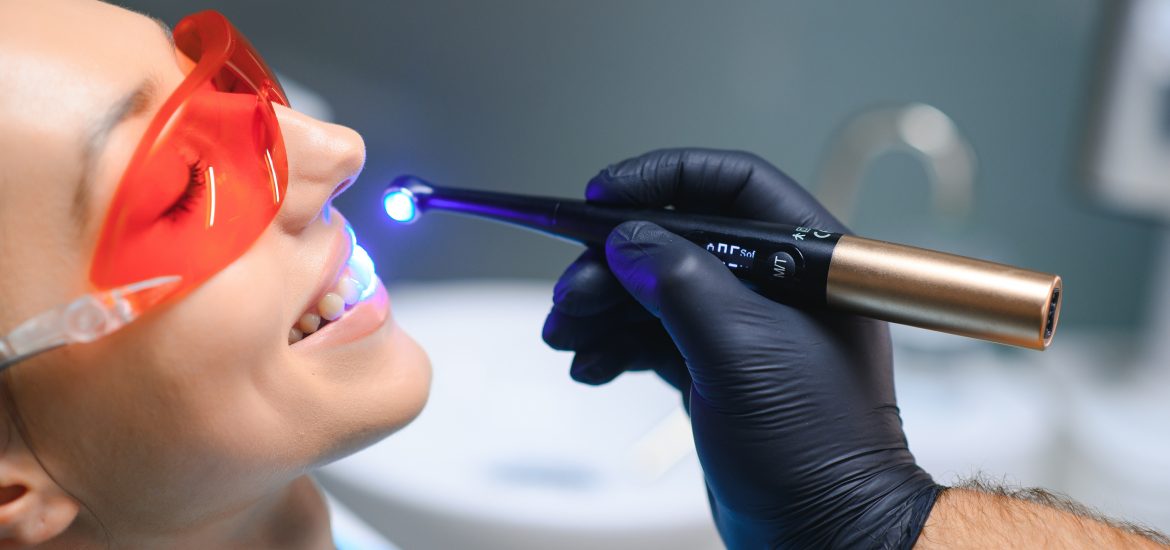
So you’re wondering — will professional teeth whitening actually work for you in Salt Lake City? It’s a smart question. Whitening is one of the most requested cosmetic treatments at Cosmetic Dentistry Salt Lake City practices, but it doesn’t deliver the same results for everyone. Understanding whether you’re a good candidate can save you time, money, and disappointment. Dr. James Shoff at The Sugar House Dentist helps patients make that determination every day.
The truth is, whitening works beautifully for some patients and falls completely flat for others. It all depends on the type and cause of your tooth discoloration. This guide will help you self-screen before booking your consultation.
How Professional Teeth Whitening Works in Salt Lake City
Professional whitening uses concentrated hydrogen peroxide or carbamide peroxide gels. These agents penetrate the enamel and break apart stain compounds at the molecular level. This process is called oxidation, and it’s far more effective than anything available over the counter.
In-office whitening sessions typically take about one hour. Take-home trays from your dentist are custom-fitted and use professional-strength gel. Both methods can whiten teeth by several shades when used on the right candidate.
The key phrase there is the right candidate. Whitening only targets natural tooth enamel. It does not change the color of dental restorations, and it cannot reverse every type of stain. Knowing the difference is essential before you invest in treatment.
Who Gets the Best Results — Ideal Whitening Candidates
Patients with extrinsic stains respond best to professional whitening. Extrinsic stains sit on the outer surface of the enamel. These stains come from common culprits you likely recognize:
- Coffee and tea consumed regularly
- Red wine and dark sodas
- Tobacco use, including cigarettes and chewing tobacco
- Foods with strong pigments like berries, tomato sauce, and soy sauce
- Natural aging, which yellows enamel gradually over time
If your teeth were once white and have slowly darkened, you’re likely an excellent candidate. Patients in this category often see dramatic results in just one visit. Dr. Shoff typically recommends starting with a professional evaluation to confirm the stain type before treatment begins.
Healthy gums and enamel are also essential requirements. Active gum disease or significant enamel erosion must be treated first. Whitening gel on compromised tissue causes sensitivity and can worsen existing problems.
Who May Not Benefit — When Whitening Won’t Work
This is the section most patients need to read carefully. Several situations can make whitening ineffective or even unsuitable. Understanding these will help you set realistic expectations.
Intrinsic stains are discoloration that originates inside the tooth. These stains cannot be lifted with bleaching agents because they are embedded in the dentin layer, not the enamel surface. Common causes of intrinsic staining include:
- Tetracycline antibiotic use during childhood tooth development
- Excessive fluoride exposure during enamel formation, called fluorosis
- Tooth trauma that caused internal bleeding and grey discoloration
- Genetic conditions affecting enamel or dentin structure
Tetracycline staining is particularly stubborn. It often appears as grey or brown banding across the teeth. Whitening may lighten the shade slightly, but it rarely produces satisfying results for this type of discoloration. Patients in this situation often achieve better outcomes with veneers.
Existing dental restorations present another common barrier. Crowns, bridges, veneers, and tooth-colored fillings do not respond to whitening gel. The bleaching agent only affects natural tooth structure. If you have visible restorations on your front teeth, whitening your natural teeth can create a mismatched appearance. Dr. Shoff will assess your smile before recommending any whitening approach.
Medication-induced staining is another factor worth discussing with your dentist. Beyond tetracycline, certain blood pressure medications and antihistamines can contribute to tooth discoloration over time. The mechanism differs from surface staining, and results from whitening will vary.
Whitening Alternatives When Bleaching Isn’t the Right Fit
Not qualifying as a whitening candidate doesn’t mean you’re out of options. Several restorative and cosmetic treatments can dramatically improve the appearance of discolored teeth. The right solution depends on the extent and cause of your discoloration.
Dental veneers are thin porcelain shells bonded to the front surface of teeth. They can completely mask intrinsic stains, uneven color, chips, and minor misalignment. Veneers are custom-shaded to your desired color, so you have full control over the final result. Many patients who cannot whiten find veneers transformative.
Dental crowns may be recommended when a tooth has significant structural damage alongside discoloration. A crown covers the entire visible tooth and restores both function and appearance. This is a more comprehensive solution than whitening but appropriate in specific cases.
Composite bonding is another minimally invasive option. Your dentist applies tooth-colored resin directly to stained areas and shapes it to blend naturally. It is less durable than porcelain but requires little to no removal of natural tooth structure.
The Sugar House Dentist serves patients across Salt Lake City with a full range of cosmetic and restorative options. Dr. Shoff takes time to understand your specific concerns before recommending any treatment path.
How to Prepare for Your Whitening Consultation in Salt Lake City
Coming prepared makes your consultation more productive. Think through the following before your visit with Dr. Shoff:
- Note when your teeth started changing color and how gradually it happened
- List any medications you have taken long-term, especially antibiotics from childhood
- Bring up any previous dental work on your visible front teeth
- Mention any tooth sensitivity you currently experience
- Share your whitening goals so your dentist can recommend realistic outcomes
A quick visual exam and conversation about your dental history is usually enough to determine candidacy. In some cases, X-rays or a cleaning prior to whitening may be recommended. The goal is always to create a safe and effective treatment plan tailored to your smile.
At The Sugar House Dentist, we also welcome families. If you are looking for comprehensive dental care for your children, explore our Pediatric Dentistry Salt Lake City Salt Lake City services alongside your own cosmetic treatment.
Conclusion — Your Smile Deserves an Honest Assessment
Professional teeth whitening is one of the most effective cosmetic treatments available — but only for the right patient. Extrinsic staining responds beautifully. Intrinsic stains, restorations, and medication-related discoloration often require a different approach. Knowing which category you fall into helps you make a confident, informed decision about your smile.
Dr. James Shoff and the team at The Sugar House Dentist are here to give you an honest assessment without pressure. We will tell you clearly whether whitening will work for you and what your best alternatives are if it won’t. Book Now to schedule your appointment with our team.
Frequently Asked Questions
Will professional teeth whitening work on crowns or veneers?
No. Whitening gel only affects natural tooth enamel. Crowns, veneers, bridges, and composite fillings will not change color during treatment. If you have restorations on your front teeth, your dentist will discuss how to manage color matching before proceeding.
How long do professional whitening results last?
Results typically last one to three years depending on your diet and habits. Patients who consume coffee, tea, or red wine frequently may notice faster re-staining. Touch-up treatments and good daily hygiene help extend your results significantly.
Is professional whitening safe for sensitive teeth?
Many patients with mild sensitivity still qualify for professional whitening. Your dentist may recommend a lower-concentration gel or desensitizing treatments before and after. It’s important to disclose sensitivity during your consultation so your treatment can be adjusted appropriately.
What is the difference between intrinsic and extrinsic staining?
Extrinsic stains are surface-level and caused by food, drinks, and tobacco. These respond well to whitening. Intrinsic stains originate inside the tooth from medications, trauma, or developmental factors. Bleaching agents cannot reliably lift intrinsic discoloration, and alternative treatments like veneers are usually more effective.
How many shades whiter can I expect from professional whitening?
Most patients achieve between three and eight shades of improvement. The exact result depends on your starting shade and stain type. Your dentist will give you a realistic estimate during your consultation based on your specific situation.