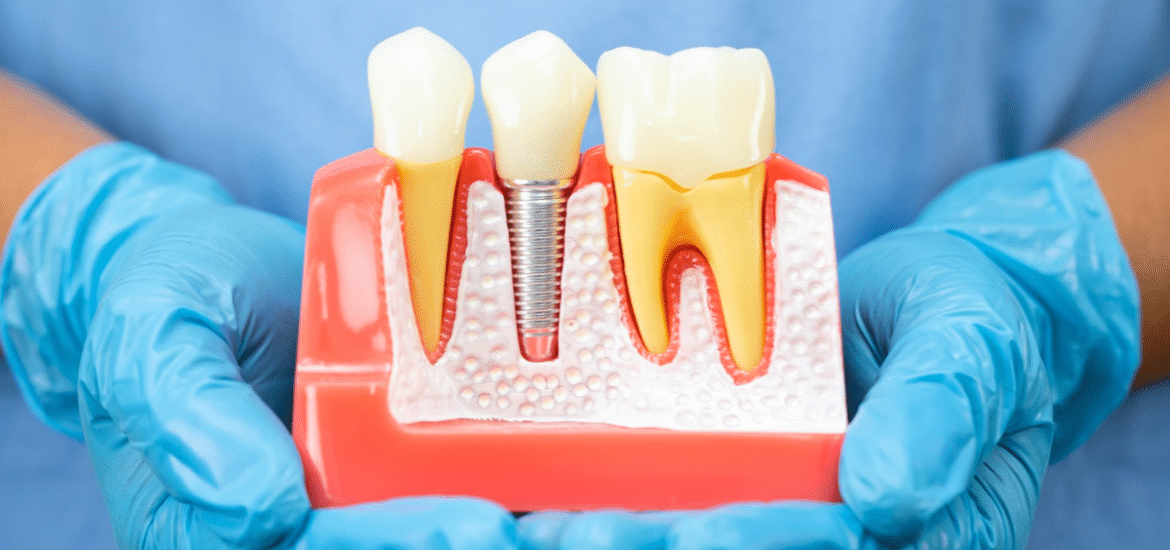
Thinking about replacing a missing tooth but worried about the pain of surgery? You’re not alone. One of the biggest reasons people delay treatment is the fear that getting dental implants will be painful. The thought of oral surgery, drilling, stitches, and recovery can make anyone nervous.
The good news is that modern dental techniques and anesthesia have made implant procedures much more comfortable than many patients expect. While some soreness and swelling are normal during recovery, the procedure itself is generally performed with local anesthesia to minimize discomfort.
If you’re considering dental implants in Sugar House or the greater Salt Lake City area, understanding what happens before, during, and after surgery can help you feel more confident about your decision.
Do Dental Implants Hurt During Surgery?
One of the most common concerns about Dental Implant Pain is what patients actually feel during the procedure.
In most cases, dental implant surgery is performed using local anesthesia, which numbs the treatment area. This means you should not feel sharp pain while the dentist places the implant. You may notice pressure, movement, or vibration, but these sensations are different from pain.
For patients who experience dental anxiety, sedation options may also be available depending on their health, treatment needs, and the dentist’s recommendations.
The procedure typically involves:
-
Numbing the treatment area.
-
Preparing the jawbone for implant placement.
-
Carefully positioning the titanium implant.
-
Closing the gum tissue, when necessary.
-
Providing aftercare instructions for recovery.
The goal is to make the experience as comfortable and predictable as possible.
What Does Dental Implant Pain Feel Like After Surgery?
Once the anesthesia wears off, you may experience some tenderness around the implant site. This is a normal part of the healing process.
Most patients describe the discomfort as mild to moderate soreness rather than severe pain. You may also experience:
-
Swelling around the gums or cheeks.
-
Minor bruising near the surgical area.
-
Tenderness while chewing.
-
Slight bleeding during the first day.
-
Jaw stiffness or discomfort.
The level of Dental Implant Pain varies depending on the number of implants placed, whether bone grafting was necessary, and your individual healing response.
Your dentist may recommend appropriate pain medication, cold compresses, and temporary dietary changes to help manage discomfort.
How Long Does Pain Last After Dental Implant Surgery?
Recovery varies from person to person, but discomfort generally improves over the first several days.
| Recovery period | What you may experience |
|---|---|
| First 24 hours | Mild bleeding, tenderness, and swelling |
| Days 2–3 | Swelling or soreness may be most noticeable |
| Days 4–7 | Discomfort generally begins improving |
| 1–2 weeks | Most soft-tissue soreness should settle |
| Following months | The implant continues integrating with the jawbone |
Although the initial discomfort usually improves within a week or two, complete implant healing takes longer. The implant needs time to bond with the surrounding jawbone, a process called osseointegration.
If your discomfort gets worse instead of better, contact your dentist for an evaluation.
When Should You Worry About Pain After Dental Implants?
Some discomfort is expected, but certain symptoms should never be ignored. Knowing the difference between normal healing and possible complications is important.
Watch out for these warning signs:
-
Severe or worsening pain that doesn’t improve.
-
Swelling that continues to increase after the first few days.
-
Pus or unusual discharge around the implant.
-
Fever or feeling generally unwell.
-
Persistent bleeding or difficulty chewing.
-
An implant that feels loose or moves.
Persistent Dental Implant Pain, especially when accompanied by these symptoms, may indicate an infection or another complication. Contact your dentist promptly rather than waiting for the symptoms to disappear.
5 Tips to Reduce Discomfort After Dental Implant Surgery
A little extra care during recovery can make a significant difference. Follow your dentist’s instructions and consider these practical tips:
1. Apply a cold compress
Use a cold compress on the outside of your cheek during the first 24 hours, following your dentist’s instructions. This can help minimize swelling.
2. Choose soft foods
Stick to foods such as yogurt, mashed potatoes, scrambled eggs, oatmeal, and smoothies. Avoid hard, crunchy, and chewy foods while your surgical area heals.
3. Take medications as prescribed
Follow your dentist’s recommendations for pain relief. Don’t exceed the recommended dosage or take medication that hasn’t been approved for you.
4. Keep your mouth clean
Maintain good oral hygiene, but be gentle around the surgical area. Follow your dentist’s instructions about brushing and rinsing.
5. Avoid smoking and strenuous activity
Smoking can interfere with healing and increase the risk of implant complications. Avoid strenuous exercise during the initial recovery period as directed by your dentist.
Dental Implants vs. Tooth Extraction: Which Causes More Discomfort?
Many patients assume implant surgery must be significantly more painful than having a tooth extracted. However, discomfort depends on the complexity of each procedure and the individual’s response to treatment.
Both procedures can be performed comfortably with appropriate anesthesia and aftercare. Your dentist can explain what to expect based on your individual treatment plan.
Are Dental Implants Worth It Despite the Discomfort?
For many patients, yes. Although some temporary discomfort is part of the healing process, dental implants offer a long-term way to replace missing teeth.
They can help:
-
Restore chewing ability.
-
Improve speech affected by missing teeth.
-
Prevent neighboring teeth from shifting.
-
Support jawbone health by transferring chewing forces to the bone.
-
Restore the appearance of your smile.
With proper care, dental implants can last for many years. However, their success depends on factors such as oral hygiene, bone health, lifestyle habits, and regular dental checkups.
If you’re concerned about Dental Implant Pain, remember that temporary recovery discomfort should be weighed against the long-term benefits and the consequences of leaving missing teeth untreated.
Getting Dental Implants in Sugar House? Here’s What to Expect
Choosing the right dental team can make your implant experience more comfortable and reassuring.
At The Sugar House Dentist, Dr. James Shoff and his team help patients throughout Sugar House and the greater Salt Lake City area explore personalized dental implant solutions.
Before recommending treatment, your dentist will evaluate your oral health, examine your jawbone, and discuss your medical and dental history. You’ll also have an opportunity to discuss concerns about surgery, recovery, and Dental Implant Pain.
Whether you’re missing one tooth or several, understanding your treatment options can help you make an informed decision.
Ready to take the next step? Call The Sugar House Dentist at 801-618-0197 to schedule a consultation.
Frequently Asked Questions
1. Are dental implants more painful than getting a tooth pulled?
Not necessarily. Both procedures are generally performed with local anesthesia. The amount of discomfort afterward depends on the complexity of treatment and individual healing.
2. How many days will I need to rest after dental implant surgery?
Many patients can return to normal daily activities within a day or two, depending on the procedure. More complex surgeries may require additional rest. Follow your dentist’s instructions.
3. Can I go to work the day after dental implant surgery?
Some patients can return to work the next day, especially after straightforward procedures. However, if your job involves strenuous physical activity or your surgery was complex, you may need more time off.
4. Is severe pain normal one week after dental implant surgery?
Severe or worsening pain one week after surgery is not something to ignore. Contact your dentist promptly to check for possible infection or other complications.
5. What can I do if I am afraid of dental implant surgery?
Talk openly with your dentist about your concerns. Ask about anesthesia, available sedation options, the treatment process, and recovery expectations. Understanding each step can help reduce anxiety.
For patients worried about Dental Implant Pain, knowing what is normal and what needs attention can make recovery less stressful. If you’re anxious about treatment, discuss your concerns with your dentist before scheduling surgery.
| Factor | Tooth Extraction | Dental Implant Surgery |
|---|---|---|
| Anesthesia | Usually local anesthesia | Usually local anesthesia |
| Procedure | Removing a tooth | Placing an implant in the jawbone |
| Initial discomfort | Soreness and swelling | Soreness and swelling |
| Recovery | Often several days to a couple of weeks | Initial recovery often takes 1–2 weeks |
| Long-term purpose | Removes a damaged tooth | Replaces a missing tooth |
Both procedures can be performed comfortably with appropriate anesthesia and aftercare. Your dentist can explain what to expect based on your individual treatment plan.
Are Dental Implants Worth It Despite the Discomfort?
For many patients, yes. Although some temporary discomfort is part of the healing process, dental implants offer a long-term way to replace missing teeth.
They can help:
-
Restore chewing ability.
-
Improve speech affected by missing teeth.
-
Prevent neighboring teeth from shifting.
-
Support jawbone health by transferring chewing forces to the bone.
-
Restore the appearance of your smile.
With proper care, dental implants can last for many years. However, their success depends on factors such as oral hygiene, bone health, lifestyle habits, and regular dental checkups.
If you’re concerned about Dental Implant Pain, remember that temporary recovery discomfort should be weighed against the long-term benefits and the consequences of leaving missing teeth untreated.
Getting Dental Implants in Sugar House? Here’s What to Expect
Choosing the right dental team can make your implant experience more comfortable and reassuring.
At The Sugar House Dentist, Dr. James Shoff and his team help patients throughout Sugar House and the greater Salt Lake City area explore personalized dental implant solutions.
Before recommending treatment, your dentist will evaluate your oral health, examine your jawbone, and discuss your medical and dental history. You’ll also have an opportunity to discuss concerns about surgery, recovery, and Dental Implant Pain.
Whether you’re missing one tooth or several, understanding your treatment options can help you make an informed decision.
Ready to take the next step? Call The Sugar House Dentist at 801-618-0197 to schedule a consultation.
Frequently Asked Questions
1. Are dental implants more painful than getting a tooth pulled?
Not necessarily. Both procedures are generally performed with local anesthesia. The amount of discomfort afterward depends on the complexity of treatment and individual healing.
2. How many days will I need to rest after dental implant surgery?
Many patients can return to normal daily activities within a day or two, depending on the procedure. More complex surgeries may require additional rest. Follow your dentist’s instructions.
3. Can I go to work the day after dental implant surgery?
Some patients can return to work the next day, especially after straightforward procedures. However, if your job involves strenuous physical activity or your surgery was complex, you may need more time off.
4. Is severe pain normal one week after dental implant surgery?
Severe or worsening pain one week after surgery is not something to ignore. Contact your dentist promptly to check for possible infection or other complications.
5. What can I do if I am afraid of dental implant surgery?
Talk openly with your dentist about your concerns. Ask about anesthesia, available sedation options, the treatment process, and recovery expectations. Understanding each step can help reduce anxiety.
For patients worried about Dental Implant Pain, knowing what is normal and what needs attention can make recovery less stressful. If you’re anxious about treatment, discuss your concerns with our dentist before scheduling surgery.