
Losing a tooth can be stressful, but many people put off treatment because the missing tooth is not painful or highly visible. You may think, “I’ll deal with it later,” especially if you can still eat and speak normally. However, waiting too long to replace a missing tooth can sometimes lead to changes in your mouth that make future treatment more complicated.
For patients in Salt Lake City and Sugar House, understanding what happens after tooth loss can help you make informed decisions about your oral health. Dental Implants are one of the most reliable options for replacing missing teeth because they are designed to restore both the visible tooth and the support beneath it.
What Happens When You Lose a Tooth?
A missing tooth affects more than the appearance of your smile. Each tooth plays an important role in helping you chew, speak, and maintain the alignment of surrounding teeth.
After tooth loss, the jawbone in the area no longer receives the same stimulation from chewing. Over time, the bone may gradually shrink or lose density. Nearby teeth can also begin to move toward the empty space.
The changes may happen slowly, which is why many patients do not immediately realize that a missing tooth is affecting their oral health.
Common concerns after tooth loss may include:
- Shifting or drifting teeth
- Changes in your bite
- Difficulty chewing certain foods
- Increased pressure on remaining teeth
- Gradual jawbone loss
- Changes in facial support
Replacing a missing tooth sooner rather than later may help reduce the impact of these changes.
The Hidden Risks of Waiting Too Long
1. Your Jawbone May Begin to Change
Your natural tooth roots stimulate the jawbone when you chew. When a tooth is missing, that stimulation is reduced in the area where the root once existed.
Over time, bone loss may occur. For some patients, this can make tooth replacement more complex because additional procedures, such as bone grafting, may eventually be needed before implant treatment.
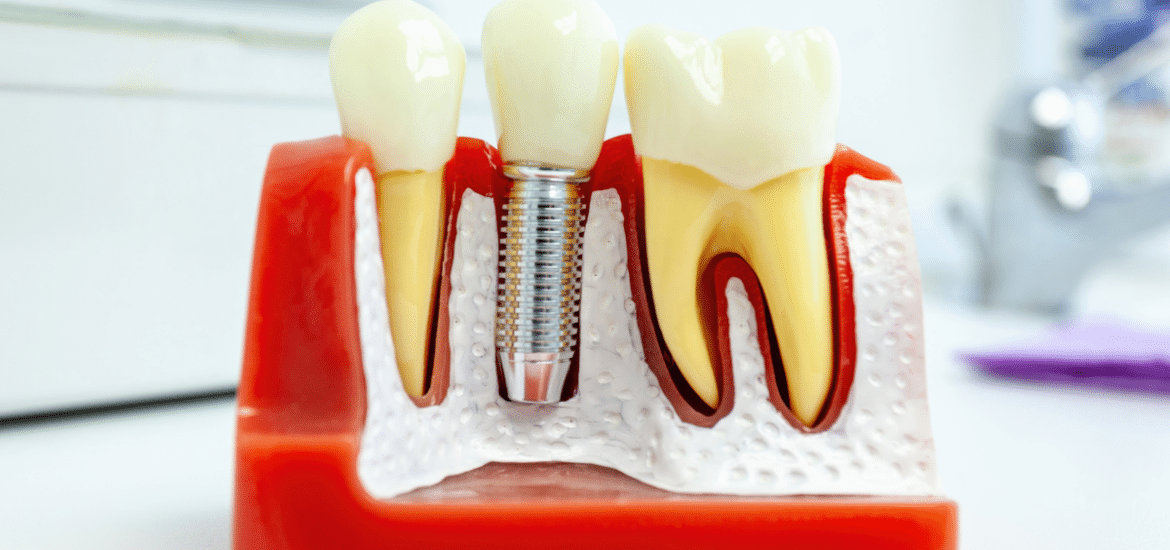
Dental Implants are unique because they are placed in the jawbone and act as an artificial tooth root. This can help provide stimulation to the surrounding bone while supporting a replacement tooth.
2. Nearby Teeth Can Shift Into the Empty Space
Teeth naturally depend on one another for support. When one tooth is missing, neighboring teeth may gradually move toward the open space.
This movement can affect your bite and make cleaning between teeth more difficult. In some cases, food may become trapped more easily, increasing the risk of plaque buildup.
The longer a space remains open, the greater the possibility that surrounding teeth may move.
3. Eating Can Become More Difficult
A missing tooth can change the way you chew. Many people unconsciously begin chewing more on one side of their mouth.
Over time, this can place extra pressure on certain teeth and make it difficult to enjoy foods such as apples, steak, nuts, or crunchy vegetables.
Depending on your individual needs, Dental Implants can provide a stable replacement option that functions similarly to a natural tooth.
4. Your Remaining Teeth May Experience More Stress
When one tooth is missing, your remaining teeth may have to take on more of the chewing workload.
This additional pressure can contribute to uneven wear and may place more stress on teeth that were not designed to handle the extra force.
Replacing missing teeth can help distribute chewing pressure more evenly across your smile.
5. Your Facial Appearance May Gradually Change
The jawbone and teeth provide important support for the lower portion of the face. Significant tooth and bone loss can eventually affect facial structure and support.
While these changes do not happen overnight, multiple missing teeth or long-term tooth loss may contribute to a sunken or aged appearance in some individuals.
This is one reason why dentists often recommend discussing replacement options soon after tooth loss.
How Long Is Too Long to Wait?
There is no single timeline that applies to everyone. Bone changes, tooth movement, and overall oral health vary from person to person.
Some people may experience changes relatively quickly, while others may not notice significant changes for years. The best way to understand your situation is through a dental examination and appropriate imaging.
At The Sugar House Dentist, your dentist can evaluate factors such as:
| Factor | Why It Matters |
|---|---|
| Number of missing teeth | Multiple missing teeth can affect bite function and stability |
| Jawbone condition | Determines whether there is adequate support for replacement options |
| Gum health | Healthy gums are important for long-term oral health |
| Location of the missing tooth | Front and back teeth can affect appearance and chewing differently |
| Overall health | Certain medical and lifestyle factors may affect treatment planning |
A personalized evaluation can help determine whether treatment is recommended now or whether additional preparation is needed.
Why Dental Implants Are Often Considered a Long-Term Solution
Unlike removable tooth replacement options, Dental Implants are designed to be securely supported by the jawbone. The implant itself serves as a replacement for the natural tooth root, while a custom restoration replaces the visible portion of the tooth.
For many eligible patients, implants can offer:
- A stable and secure tooth replacement
- Improved chewing ability
- A natural-looking appearance
- Support for surrounding oral structures
- A long-term replacement option with proper care
However, implant treatment is not identical for every patient. Factors such as bone health, gum health, medical history, and the number of missing teeth can influence the treatment plan.
Waiting Could Make Treatment More Complex
One of the biggest concerns about delaying treatment is that future tooth replacement may require additional procedures.
For example, significant jawbone loss may mean a patient needs bone grafting before an implant can be placed. If nearby teeth have shifted, additional treatment may be necessary to create enough space for the replacement tooth.
This does not mean that people who have waited years cannot receive treatment. Many patients with long-standing tooth loss are still candidates for Dental Implants after a thorough evaluation and appropriate preparation.
The important thing is not to assume that it is “too late” without speaking with a dentist.
Are You a Candidate for Dental Implants?
Many adults with one or more missing teeth may be candidates for implant treatment. However, candidacy depends on several individual factors.
You may be a potential candidate if you:
- Have one or more missing teeth
- Want a stable alternative to removable dentures
- Have healthy gums or are willing to treat gum disease
- Have adequate jawbone or are eligible for bone grafting
- Are committed to maintaining good oral hygiene
- Want a long-term tooth replacement solution
A consultation is the best way to determine whether Dental Implants are appropriate for your needs.
Don’t Ignore a Missing Tooth Just Because It Doesn’t Hurt
A missing tooth does not always cause immediate pain. That is often why people delay treatment.
However, changes beneath the surface can occur gradually. Jawbone changes, shifting teeth, and bite problems may develop over time without causing obvious symptoms in the beginning.
If you have lost a tooth, scheduling an evaluation can help you understand your options before the problem becomes more complicated.
For patients in Sugar House, Salt Lake City, and surrounding communities, The Sugar House Dentist can evaluate your oral health and discuss whether Dental Implants or another tooth replacement option may be right for you.
Frequently Asked Questions
1. What happens if I do not replace a missing tooth?
Depending on the location and number of missing teeth, nearby teeth may shift, chewing may become more difficult, and the jawbone in the area may gradually lose density.
2. Can I get Dental Implants years after losing a tooth?
Yes, many people can still be candidates even after years of tooth loss. However, jawbone loss or other oral health concerns may require additional treatment before implant placement.
3. Do Dental Implants prevent bone loss?
Because implants are placed in the jawbone and can provide functional stimulation, they may help preserve bone in the area compared with leaving the space untreated. Individual results depend on several factors.
4. Are Dental Implants painful?
The procedure is typically performed with appropriate anesthesia. Patients may experience soreness or swelling afterward, but your dentist can provide instructions to help manage recovery.
5. How long do Dental Implants last?
With proper oral hygiene, regular dental visits, and appropriate care, the implant itself can last for many years. The crown or restoration may eventually need repair or replacement depending on wear and other factors.
Take the Next Step Toward Restoring Your Smile
Waiting to replace a missing tooth may allow changes to occur that could affect your oral health and future treatment options. The sooner you understand your situation, the more informed you can be about your choices.
If you are missing one or more teeth, contact The Sugar House Dentist at +1 801-618-0197 to schedule a consultation. Our team can evaluate your smile, discuss your concerns, and help you explore whether Dental Implants are the right solution for restoring your comfort, confidence, and ability to eat and smile.