
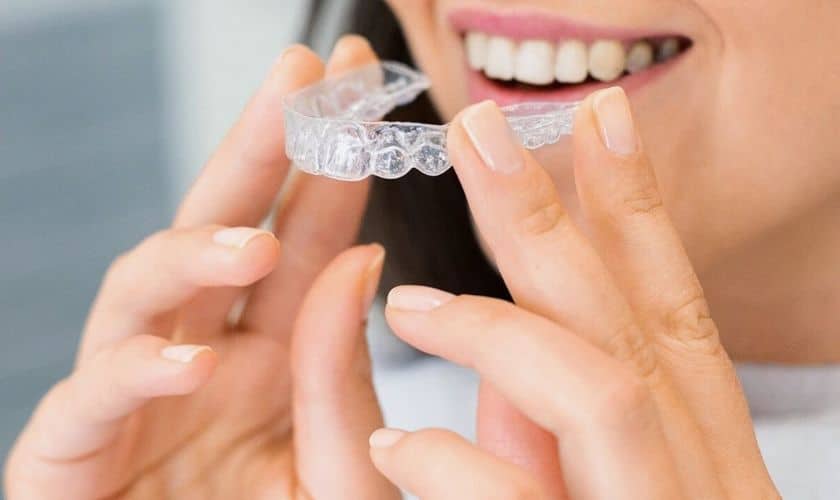
Invisalign has gained immense popularity as an effective and discreet solution for straightening teeth. Many adults choose this orthodontic treatment to achieve a confident and beautiful smile. However, in addition to its cosmetic benefits, recent studies have shown a surprising connection between Invisalign treatment for adults and the improvement of sleep apnea symptoms. In this blog post, we will explore this fascinating connection and understand how Invisalign can potentially alleviate sleep apnea in adults.
Understanding Sleep Apnea
Before diving into the connection between Invisalign and sleep apnea, let’s first understand what sleep apnea is. Sleep apnea is a sleep disorder characterized by repeated interruptions in breathing during sleep. These interruptions, known as apneas, can last for a few seconds to a minute and can occur multiple times throughout the night. There are three main types of sleep apnea: obstructive sleep apnea (OSA), central sleep apnea, and complex sleep apnea syndrome. OSA is the most common form and occurs when the muscles in the throat relax, causing the airway to narrow or close, leading to breathing difficulties.
The Role of Malocclusion in Sleep Apnea
Malocclusion refers to misaligned teeth or a misaligned bite. It can contribute to sleep apnea by causing the jaw to be positioned in a way that restricts the airway during sleep. When the teeth are misaligned, they can affect the overall position of the jaw, leading to a narrower airway. This narrowing increases the likelihood of snoring and obstructed breathing, which are common symptoms of sleep apnea. Correcting malocclusion through orthodontic treatment, such as Invisalign, can potentially improve the alignment of the teeth and subsequently widen the airway, reducing the severity of sleep apnea symptoms.
How Invisalign Helps
Invisalign is a revolutionary orthodontic treatment that utilizes clear, custom-made aligners to gradually shift the teeth into their desired position. The aligners are removable, comfortable, and virtually invisible, making them a preferred choice for many adults seeking orthodontic treatment. While the primary goal of Invisalign is to straighten teeth, its impact on sleep apnea symptoms is an exciting and beneficial side effect. By correcting malocclusion and improving the alignment of the teeth and jaw, Invisalign can help widen the airway, making it easier to breathe during sleep. This improvement in airway function can reduce snoring, alleviate breathing difficulties, and potentially lead to a reduction in sleep apnea symptoms.
Research and Evidence
Several studies have explored the connection between Invisalign treatment and sleep apnea improvement. A study published in the Journal of Clinical Sleep Medicine in 2018 evaluated the effects of Invisalign treatment on sleep apnea symptoms in a group of adult patients. The results showed a significant reduction in the Apnea-Hypopnea Index (AHI), which is a measure of the severity of sleep apnea, after Invisalign treatment. The study concluded that correcting malocclusion through Invisalign can be a viable adjunct therapy for sleep apnea, especially in cases where anatomical factors contribute to the condition.
The Importance of Consultation
If you suspect you have sleep apnea or are interested in exploring the potential benefits of Invisalign for your sleep apnea symptoms, it is crucial to consult with both a qualified sleep specialist and an experienced Invisalign provider. A sleep specialist can accurately diagnose your condition and recommend the appropriate treatment plan, while an Invisalign provider can assess your orthodontic needs and determine if Invisalign is a suitable option for you.
Conclusion
Invisalign treatment for adults is not just about achieving a straight smile; it may have additional benefits beyond aesthetics. The connection between Invisalign and sleep apnea improvement highlights the potential of orthodontic treatment to alleviate the symptoms of this sleep disorder. If you suffer from sleep apnea and have malocclusion, it is worth considering Invisalign as a complementary therapy alongside traditional sleep apnea treatments. As always, consult with medical professionals to explore the best treatment options for your specific needs and ensure a comprehensive approach to managing sleep apnea