
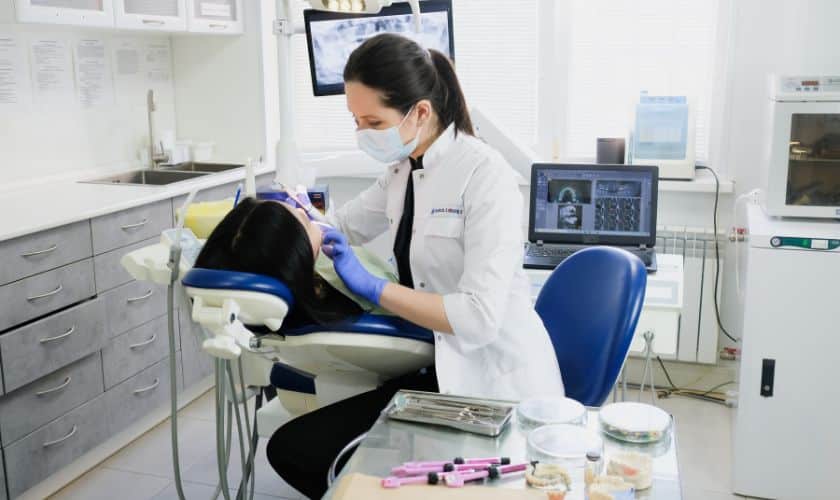
Restorative dentistry procedures aim to repair or replace damaged teeth, restoring both function and aesthetics to your smile. Whether you’re undergoing a dental filling, crown placement, or dental implant surgery, proper preparation is key to ensuring a smooth and successful experience. In this blog post, we will discuss important steps and guidelines to help you prepare for restorative dentistry procedures, ensuring you feel confident and informed before your dental appointment.
Consultation and Treatment Planning
The first step in preparing for any restorative dentistry procedure is to schedule a consultation with your dentist. During this appointment, your dentist will evaluate your oral health, discuss your treatment options, and develop a personalized treatment plan. It’s important to ask any questions you may have and fully understand the procedure, including the expected outcomes, potential risks, and post-treatment care instructions.
Communicate with Your Dentist
Effective communication with your dentist is crucial for a successful restorative dentistry experience. Be sure to inform your dentist about any pre-existing medical conditions, allergies, or medications you are currently taking. This information will help your dentist tailor the treatment plan to your specific needs and ensure your safety throughout the procedure.
Follow Pre-procedure Instructions
Your dentist may provide you with specific pre-procedure instructions to follow before your restorative dentistry treatment. These instructions may include:
a. Medication Adjustments
If you are taking any medications that may interfere with the procedure, your dentist may advise you to temporarily stop or adjust the dosage. Always consult with your dentist and primary care physician before making any changes to your medications.
b. Fasting Requirements
Depending on the type of procedure, your dentist may recommend fasting for a certain period before the appointment. This is typically necessary for procedures that require sedation or anesthesia.
c. Arrange Transportation
If you are undergoing a procedure that involves sedation or anesthesia, make arrangements for someone to drive you to and from the dental office. Sedatives can impair your ability to drive safely, and it’s important to prioritize your safety.
Plan for Recovery
Certain restorative dentistry procedures may require a recovery period. Discuss with your dentist what to expect after the procedure, including any temporary dietary restrictions, oral hygiene instructions, and potential discomfort. Ensure you have the necessary supplies and medications at home to facilitate a smooth recovery. It’s also advisable to plan for some rest and relaxation during this time, allowing your body to heal properly.
Follow Post-treatment Care Instructions
To optimize the outcome of your restorative dentistry procedure, it is crucial to follow the post-treatment care instructions provided by your dentist. These instructions may include:
a. Medication Usage:
Take any prescribed medications as directed, including pain relievers or antibiotics, to manage pain and prevent infection.
b. Oral Hygiene Routine:
Follow the recommended oral hygiene routine provided by your dentist, which may include special instructions for cleaning around the treated area.
c. Dietary Restrictions:
Your dentist may advise you to avoid certain foods and beverages, especially those that are hard, sticky, or require excessive chewing, to prevent damage to the restoration or surgical site.
d. Follow-up Appointments:
Attend all scheduled follow-up appointments to allow your dentist to assess your progress and make any necessary adjustments to ensure optimal results.
Conclusion
Preparing for restorative dentistry procedures involves clear communication with your dentist, understanding the treatment plan, and following pre-procedure instructions. By being proactive and following the post-treatment care guidelines, you can maximize the success and longevity of your restorative dental work. Remember to maintain regular dental visits and practice good oral hygiene to enjoy a healthy and beautiful smile for years to come.