
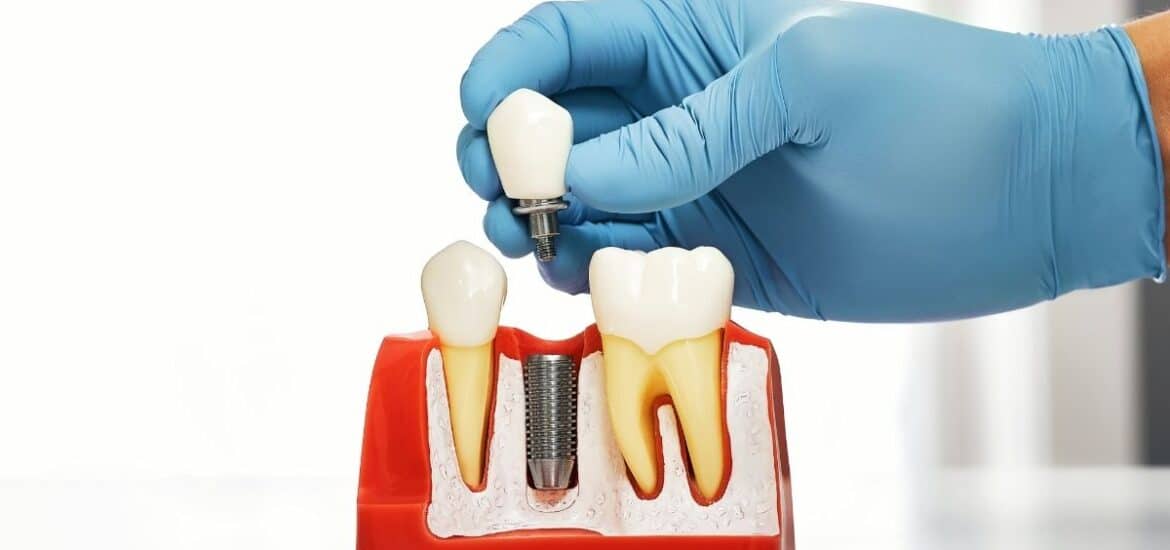
Losing a tooth years ago can start to feel permanent. Maybe it happened because of an accident, severe decay, or a past dental infection. Over time, you may have adjusted to the gap and stopped thinking about replacing it. Still, many people eventually wonder: Is it too late to restore my smile?
The good news is that in many cases, replacing missing teeth is still possible, even after several years. Modern restorative dentistry allows many adults to regain comfort, chewing ability, and confidence long after tooth loss. However, waiting too long can lead to changes in your jawbone and bite that may make treatment more involved.
If you have been missing teeth for years, understanding what happens beneath the surface can help you decide on the next step.
What Happens After You Lose a Tooth?
When a tooth is lost, the changes are not limited to the visible gap. Your jawbone also begins to change.
Natural tooth roots stimulate the jawbone whenever you chew or bite. Once that stimulation disappears, the bone in the area gradually begins to shrink through a process called bone resorption. This bone loss can begin within the first few months after tooth loss and continues over time.
As the jawbone changes, other problems may develop, including:
- Shifting or tilting of nearby teeth
- Changes in your bite alignment
- Difficulty chewing certain foods
- Increased wear on remaining teeth
- A sunken appearance around the cheeks or mouth
For many adults in the Salt Lake City area, these changes affect both oral function and overall confidence.
Can You Still Replace Teeth Years Later?
Yes. Many patients successfully restore missing teeth even after five, ten, or more years.
The most important factor is not how long ago the tooth was lost, but the current condition of your:
- Jawbone
- Gums
- Bite alignment
- Overall oral health
Even if bone loss has occurred, additional procedures may help rebuild support before treatment begins. A detailed evaluation is the best way to determine your options.
If you are in the Salt Lake City area and exploring options for tooth replacement, The Sugar House Dentist offers personalized implant treatment tailored to your oral health needs and long-term goals. Our dentist, Dr. Theurer, earned a Doctorate in Dental Surgery and has completed extensive training in both implant placement and restoration, helping patients restore function, comfort, and confidence with a personalized approach to care.
Does Waiting Longer Make Treatment More Difficult?
It can.
As bone loss progresses, the jaw may no longer have enough strength or volume to immediately support a replacement tooth. Nearby teeth may also shift into the empty space, which can affect spacing and bite function.
That does not mean treatment is impossible. It simply means your care plan may involve additional preparation before the restoration process begins.
Early evaluation helps identify:
- Bone condition
- Gum health
- Tooth movement
- Bite changes
- Whether bone rebuilding is needed
What Makes Someone a Good Candidate?
Every patient is different, but several important factors help determine whether implant-supported restoration is appropriate.
Bone Density and Bone Volume
A strong jawbone is essential for supporting a replacement tooth root. Your dentist may use 3D imaging to evaluate the amount and quality of bone available.
Healthy Gums
Healthy gum tissue is critical for long-term success. If gum disease is present, it typically needs treatment before moving forward.
Overall Health
Certain medical conditions, such as uncontrolled diabetes or heavy smoking, may affect healing after oral surgery. Your dentist will review your medical history carefully before creating a treatment plan.
Tooth Movement
Teeth often drift toward open spaces over time. In some cases, orthodontic treatment or clear aligners may help create the proper spacing before restoration.
What Is Bone Grafting?
If significant bone loss has occurred, a bone graft may be recommended before replacing the missing tooth.
Bone grafting adds material to areas where the jawbone has weakened. Over time, your body integrates this material and develops stronger bone support.
Healing timelines vary depending on the amount of rebuilding needed. Some patients heal within a few months, while others may require additional time before the area is ready for the next phase of treatment.
Bone grafting is a common and predictable procedure that helps many adults qualify for future tooth replacement.
How Long Does the Process Take?
Replacing missing teeth after years of bone loss usually involves multiple stages.
A typical timeline may include:
- Initial consultation and digital imaging
- Bone grafting if necessary
- Healing period for bone development
- Placement of the titanium post
- Healing and integration with the jawbone
- Placement of the final crown
Depending on your needs, the process may take several months to complete. Although treatment requires patience, many patients feel the long-term benefits are worth the investment.
Does Age Matter?
Age alone is rarely the deciding factor.
Healthy adults in their 60s, 70s, and beyond may still qualify for treatment. What matters most is:
- Bone quality
- Gum health
- Healing ability
- Management of medical conditions
A comprehensive evaluation helps determine whether treatment is safe and appropriate for you.
What If Nearby Teeth Have Shifted?
When a gap remains untreated for years, surrounding teeth may slowly move out of position. This can create spacing problems or bite imbalance.
Depending on the severity, your treatment plan may include orthodontic correction before or after restoration. Clear aligners are often an option for adults who need minor adjustments.
Why Replacing Missing Teeth Matters
Missing teeth affects more than appearance. Over time, untreated gaps can contribute to:
- Progressive bone loss
- Bite problems
- Difficulty eating comfortably
- Increased stress on surrounding teeth
- Changes in facial structure
Replacing missing teeth can help restore stability, support oral function, and improve overall quality of life.
Restore Your Smile with Confidence
If you have been living with missing teeth for years, it may not be too late to explore your options. With today’s technology and careful treatment planning, many patients can still achieve long-lasting results with dental implants.
At The Sugar House Dentist, our team focuses on personalized care designed around your comfort, oral health, and long-term goals. From advanced imaging to final restoration placement, we carefully guide patients through every stage of treatment.
If you are ready to learn more about your tooth replacement options, schedule a consultation with Dr. Theurer today. Call us at 801.618.0197 or text us at 801-486-9649.
Frequently Asked Questions
Can jawbone grow back naturally after tooth loss?
Jawbone typically does not rebuild on its own after tooth loss. In some cases, bone grafting may help restore lost bone structure and improve support for future treatment.
How soon does bone loss begin after losing a tooth?
Bone changes often begin within the first few months after a tooth is lost. The most noticeable changes usually occur during the first year.
Can older adults still heal properly after implant treatment?
Many healthy older adults heal successfully after treatment. Overall health and lifestyle habits usually matter more than age alone.
What are signs of bone loss after missing teeth?
Common signs may include shifting teeth, changes in facial appearance, chewing difficulty, or loose dental appliances.
Can missing teeth change facial appearance?
Yes. Bone loss in the jaw may reduce support for the lips and cheeks over time, which can contribute to a sunken or aged appearance.