
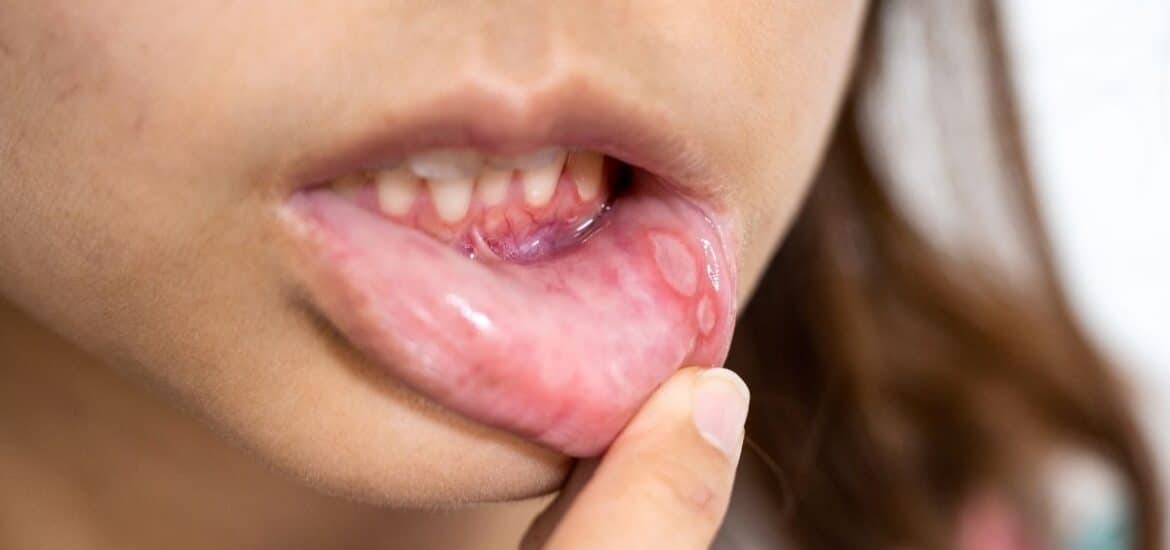
Mouth ulcers are common and often harmless. Many people experience them at some point, usually as small, painful sores that heal on their own within a week or two. Because they are so routine, it is easy to ignore them or assume they will always resolve without concern. However, when a mouth ulcer lingers beyond a certain point, it may need closer attention.
In a city like Salt Lake City, where lifestyle, seasonal changes, and daily habits can all influence oral health, it is important to recognize when something minor may signal a deeper issue. At The Sugar House Dentist, we focus on helping individuals in the community understand these subtle changes early. Not every ulcer is serious, but knowing when to take action can make a meaningful difference.
Based in the Sugar House area, our office provides comprehensive dental care for families. Whether it is a routine visit or an unexpected dental concern, we are equipped to offer care under one roof. In this blog, we explain when a mouth ulcer may require a dental checkup and what signs should not be overlooked.
What Is the 2-Week Rule?
The “2-week rule” is a simple guideline used in dentistry and oral health care. If a mouth ulcer does not heal within 14 days, it should be evaluated by a dental professional.
Most minor ulcers heal naturally within 7 to 10 days. When healing does not follow this pattern, it may indicate:
- Persistent irritation
- Infection
- Underlying health conditions
- Early signs of more serious oral concerns
This does not mean every long-lasting ulcer is dangerous, but it does mean it should not be ignored.
Common Causes of Mouth Ulcers
Understanding what causes mouth ulcers can help differentiate between routine and concerning cases.
Everyday Causes
- Accidental biting of the cheek or tongue
- Sharp edges from teeth or dental restorations
- Spicy or acidic foods
- Stress or fatigue
- Minor burns from hot foods or drinks
Other Contributing Factors
- Nutritional deficiencies such as vitamin B12 or iron
- Hormonal changes
- Certain medications
- Underlying medical conditions
In many cases, these ulcers resolve once the trigger is removed or the body heals naturally.
When Does a Mouth Ulcer Become Concerning?
While most ulcers are harmless, certain signs suggest the need for a professional evaluation, especially if they persist beyond two weeks.
Warning Signs to Watch For
- An ulcer that does not heal after 14 days
- Increasing size or depth of the sore
- Persistent pain or discomfort
- Bleeding without a clear cause
- White or red patches around the ulcer
- Difficulty swallowing or speaking
In some cases, a persistent sore may be an early sign of oral cancer. While this is less common, it highlights why ulcers that do not heal within the expected timeframe should always be evaluated carefully. Early detection plays an important role in managing serious conditions effectively.
Why Early Evaluation Matters
Oral health changes can sometimes be subtle. A delayed checkup may allow an issue to progress unnoticed. Early evaluation helps in:
- Identifying the cause of the ulcer
- Providing appropriate treatment or relief
- Ruling out serious conditions at an early stage
- Preventing complications
At The Sugar House Dentist, our evaluations are approached with attention to detail, focusing on both visible symptoms and underlying factors that may not be immediately obvious. Concerns such as oral cancer are carefully assessed during routine checkups as part of a thorough examination. Our team focuses on preventive care, helping identify potential issues early and guiding the next steps with clarity and confidence. If you are due for a routine visit or experiencing mouth sores frequently, you can reach our office for a consultation by calling at 801.618.0197 or texting at 801-486-9649.
What to Expect During an Evaluation
A professional evaluation for a persistent mouth ulcer is straightforward and focused.
It may include:
- A visual examination of the ulcer and surrounding tissue
- Questions about duration, symptoms, and lifestyle factors
- Identification of possible sources of irritation
- Recommendations for care or further testing if needed
The goal is to understand the cause and guide the next steps with clarity.
Simple Steps to Support Healing
While monitoring an ulcer, a few habits can help support the healing process:
- Maintain good oral hygiene with gentle brushing
- Avoid spicy, acidic, or very hot foods
- Stay hydrated
- Reduce irritation from sharp foods or edges
- Manage stress levels where possible
These steps can help reduce discomfort and support natural recovery.
When to Take the Next Step
If a mouth ulcer has not improved within two weeks, or if any unusual symptoms appear, it is important to have it checked. Early attention helps provide reassurance and ensures that any underlying concern is addressed promptly.
At The Sugar House Dentist, we are here to guide that process with clear information and a careful approach. If something does not feel right or is taking longer than expected to heal, scheduling an evaluation is a practical next step.
Planning to visit our office?
We are conveniently located in a professional medical plaza in the Sugar House neighborhood, just west of Sugar House Park and near Westminster University.
A Closer Look Makes a Difference
Most mouth ulcers are temporary and harmless, but some require a closer look. The 2-week rule serves as a simple yet effective way to decide when to seek professional input. Paying attention to small changes today can help avoid bigger concerns tomorrow.