
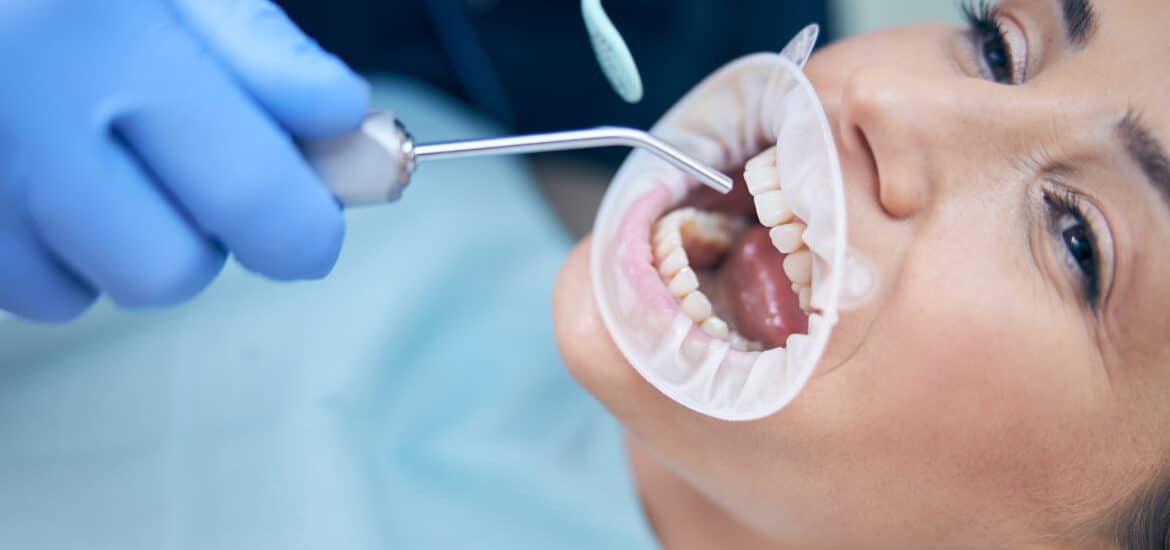
A little soreness in the back of your mouth might not seem like a big deal—until it becomes difficult to eat, talk, or even sleep. Wisdom teeth often start causing problems when they don’t have enough room to erupt properly, and ignoring the early signs can lead to painful infections, damage to nearby teeth, and more complicated treatment later.
If you’re experiencing discomfort, swelling, or recurring pain near your back molars, it’s worth paying attention. Knowing when to seek professional care can help you avoid unnecessary complications and protect your long-term oral health.
What Are Wisdom Teeth?
Wisdom teeth, also called third molars, are the last set of permanent teeth to develop. They typically appear between the ages of 17 and 25, although some people never develop them at all.
In many cases, modern jaws simply don’t have enough room to accommodate these extra teeth. As a result, wisdom teeth may become impacted (trapped beneath the gums or bone), grow at an angle, or only partially erupt.
Common Warning Signs You Shouldn’t Ignore
While some wisdom teeth remain symptom-free, others can cause noticeable problems.
|
Warning Sign |
What It May Mean |
| Pain behind the last molars |
Erupting or impacted wisdom tooth |
|
Swollen or tender gums |
Infection or inflammation around the tooth |
| Difficulty opening your mouth |
Inflammation spreading into nearby tissues |
|
Jaw pain or stiffness |
Pressure from impacted wisdom teeth |
| Bad breath or unpleasant taste |
Bacteria trapped beneath partially erupted gums |
|
Frequent headaches |
Jaw tension caused by impacted teeth |
If these symptoms continue for more than a day or two, it’s time to schedule a dental evaluation.
Why Wisdom Teeth Become Problematic
Unlike your other molars, wisdom teeth often don’t have enough space to emerge normally.
Common reasons include:
- Limited jaw space
- Teeth growing sideways
- Partial eruption
- Food trapping beneath gum tissue
- Increased bacterial buildup
- Pressure on neighboring teeth
Even if the discomfort comes and goes, the underlying issue usually doesn’t resolve on its own.
Signs of an Impacted Wisdom Tooth
An impacted wisdom tooth can remain hidden for years before symptoms appear.
Watch for:
- Persistent pain at the back of your mouth
- Swelling near the jaw
- Gum redness
- Difficulty chewing
- Earaches without an ear infection
- Facial swelling
- Tender lymph nodes
Early diagnosis often makes treatment easier and recovery smoother.
What Happens If You Wait Too Long?
Many patients hope the pain will disappear. Unfortunately, delaying treatment may increase the risk of:
- Gum infections (pericoronitis)
- Tooth decay
- Damage to neighboring molars
- Bone loss
- Cysts around impacted teeth
- More complex surgical removal
Addressing concerns early can often prevent these complications.
When Is Wisdom Tooth Removal Recommended?
Removal isn’t automatic. Your dentist considers several factors before recommending treatment.
|
Situation |
Removal May Be Recommended? |
| Repeated infections |
Yes |
|
Tooth damaging adjacent molars |
Yes |
| Severe pain |
Yes |
|
Healthy, fully erupted tooth |
Usually No |
| Easy to clean with no symptoms |
Often monitored |
Every patient is different, which is why a thorough clinical exam and digital imaging are important before making a decision.
What to Expect During the Procedure
Many people feel nervous about wisdom tooth removal, but modern techniques have made the procedure more comfortable than ever.
The process generally includes:
- Comprehensive examination and X-rays
- Discussion of sedation options if appropriate
- Gentle removal of the tooth
- Placement of gauze and post-operative instructions
- Recovery at home with follow-up guidance
Most patients return to normal daily activities within a few days, although complete healing takes longer.
Recovery Tips for a Smooth Healing Process
Following your dentist’s instructions can make a significant difference in recovery.
Do:
- Rest for the first 24 hours
- Apply ice packs to reduce swelling
- Eat soft foods
- Stay hydrated
- Take medications exactly as directed
Avoid:
- Smoking
- Drinking through a straw
- Vigorous rinsing during the first day
- Crunchy or spicy foods
- Heavy physical activity immediately after surgery
Meet Dr. James Shoff
Dr. James Shoff is dedicated to providing comprehensive, patient-centered dental care for individuals and families throughout the Salt Lake City area. He emphasizes clear communication, conservative treatment planning whenever possible, and modern dental technology to help patients make informed decisions about their oral health. His goal is to ensure every patient feels comfortable, respected, and confident in their care.
If you’re experiencing pain or think your wisdom teeth may be causing problems, contact The Sugar House Dentist at +1 (801) 618-0197 to schedule an evaluation.
Trusted Oral Health Resources
For reliable, evidence-based information about wisdom teeth and oral health, consider these respected organizations:
|
Organization |
Why It Matters |
| American Dental Association (ADA) |
Patient education on oral health and preventive dentistry |
|
American Association of Oral and Maxillofacial Surgeons (AAOMS) |
Information on wisdom tooth evaluation and oral surgery |
| National Institute of Dental and Craniofacial Research (NIDCR) |
Government-funded research and educational resources |
|
Centers for Disease Control and Prevention (CDC) – Oral Health |
Guidance on maintaining lifelong oral health |
These organizations provide trusted recommendations that support informed dental decisions.
Frequently Asked Questions
1. At what age should wisdom teeth be evaluated?
Most dentists recommend evaluating wisdom teeth during the late teenage years or early twenties. Early monitoring helps identify potential problems before they become more serious.
2. Does every wisdom tooth need to be removed?
No. Healthy wisdom teeth that are fully erupted, properly positioned, and easy to clean may not require removal. Your dentist will determine the best course of action based on your oral health.
3. How long does recovery usually take?
Most people feel significantly better within 3–7 days, although complete healing of the extraction site may take several weeks.
4. Can wisdom teeth cause headaches or jaw pain?
Yes. Impacted or erupting wisdom teeth can create pressure that contributes to jaw discomfort, facial pain, and even headaches in some individuals.
5. When should I see a dentist for wisdom tooth pain?
If your pain lasts more than a day or two, is accompanied by swelling, fever, difficulty opening your mouth, or trouble swallowing, schedule a dental evaluation as soon as possible.
Final Thoughts
Wisdom tooth discomfort isn’t something you should simply “wait out.” Early evaluation can help prevent infections, protect nearby teeth, and make treatment less complicated if removal becomes necessary.
If you’re noticing pain, swelling, or other warning signs, the experienced team at The Sugar House Dentist is here to help. Dr. James Shoff provides personalized evaluations and treatment plans designed around your needs, helping patients throughout Salt Lake City and the surrounding communities maintain healthy, comfortable smiles.
Call The Sugar House Dentist today at +1 (801) 618-0197 to schedule your wisdom tooth consultation.