Many South Salt Lake patients ask the same question before committing to veneers: what actually happens to your natural teeth? Understanding what happens to your natural teeth during veneer placement in South Salt Lake helps you make a confident, informed decision. The process is precise, but it is also minimally invasive when performed by an experienced dentist. Dr. James Shoff at The Sugar House Dentist walks every patient through each step before treatment begins. Explore Cosmetic Dentistry South Salt Lake options to see how veneers fit into a complete smile transformation.
Step One: The Veneer Consultation and Smile Assessment in South Salt Lake
Your veneer journey starts with a thorough consultation. Dr. Shoff examines your teeth, gums, and bite alignment before recommending veneers. This step ensures your natural teeth are healthy enough to support porcelain restorations. Veneers work best on teeth free from active decay or significant structural damage.
During the consultation, you discuss your smile goals openly. Dr. Shoff reviews the shape, length, and color of veneers that will suit your face. Digital imaging or smile previews may be used to set realistic expectations. You leave the consultation with a clear picture of your personalized treatment plan.
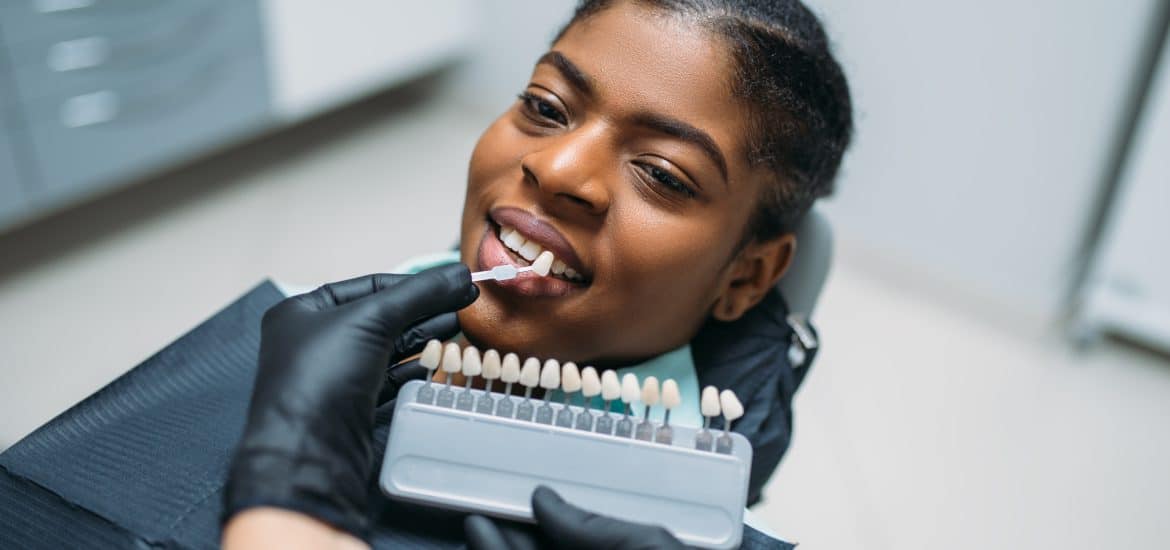
This is also when shade selection begins. Choosing the right shade is critical for a natural, confident result. Dr. Shoff uses professional shade guides under different lighting conditions. The goal is a bright, natural-looking smile that complements your skin tone.
What Happens to Your Enamel: The Tooth Preparation Phase
This is the step patients are most curious about. A small, precise amount of enamel is removed from the front surface of each tooth. Typically, this equals about 0.3 to 0.5 millimeters of tooth structure. This creates space for the veneer to sit flush and naturally against your tooth.
Enamel removal is permanent, which is why patient education matters so much. Once enamel is removed, that tooth will always need a veneer or similar restoration. Dr. Shoff uses conservative preparation techniques to remove as little enamel as possible. Modern veneer technology makes minimal prep more achievable than ever before.
Understanding what happens to your natural teeth during veneer placement in South Salt Lake means understanding this step clearly. The preparation does not damage the tooth’s inner structure or root. Your tooth remains fully functional and healthy after reshaping. Local anesthetic is often used to keep you comfortable throughout the process.
- Enamel removal is minimal — usually less than half a millimeter
- The process is irreversible, so thorough consultation always comes first
- Anesthetic keeps the preparation phase painless and comfortable
- Tooth function and root health remain fully intact after reshaping
- Conservative techniques protect as much natural tooth structure as possible
The Temporary Veneer Phase: Protecting Your Teeth Between Appointments
After preparation, your teeth need protection while the lab crafts your permanent veneers. Dr. Shoff places temporary veneers over the reshaped teeth. These temporaries look similar to your final restorations and protect sensitive enamel. They also give you a preview of your new smile’s general appearance.
Temporary veneers are not as strong as permanent porcelain. You should avoid hard, crunchy, or sticky foods during this phase. Biting into hard items like ice or crusty bread can dislodge a temporary veneer. Gentle oral hygiene habits also help keep temporaries secure and comfortable.
Most patients wear temporaries for one to two weeks. The dental lab uses your tooth impressions or digital scans to fabricate your final veneers. This lab phase is when precision craftsmanship truly matters. Each veneer is custom-built to match your unique tooth shape and selected shade.
The temporary phase is also a chance for honest feedback. If you want slight adjustments to the shape or length, communicate that to Dr. Shoff before the final bonding. Minor modifications are far easier to make before permanent placement. Your comfort and confidence with the result are the top priority.
Final Bonding: How Veneers Are Permanently Attached to Your Teeth
At your second appointment, Dr. Shoff removes the temporaries and checks the permanent veneers. Each veneer is tried on individually before bonding begins. The fit, shade, and shape are evaluated carefully in natural and artificial light. You have a final opportunity to confirm you love the result.
Once approved, the tooth surface is cleaned and prepared for bonding. A special etching solution is applied to create a strong adhesive surface. A dental bonding cement is then applied to the veneer’s inner surface. The veneer is carefully positioned and pressed firmly against the tooth.
A curing light activates the bonding cement within seconds. Excess cement is removed precisely around the edges. Dr. Shoff checks your bite alignment to ensure everything feels comfortable and balanced. Any minor adjustments are made before you leave the office.
- Each veneer is individually placed and verified before permanent bonding
- Dental etching creates a powerful, long-lasting bond to the tooth surface
- Curing light hardens the bonding cement quickly and securely
- Bite check ensures your jaw functions naturally after placement
- Final polishing gives veneers a seamless, lifelike appearance
Caring for Your Natural Teeth After Veneer Placement
Veneers protect the front surface of your teeth, but your natural teeth still need care. Brush twice daily with a non-abrasive toothpaste. Floss gently around each veneer to prevent gum inflammation and plaque buildup. Routine dental cleanings with Dr. Shoff keep veneers and surrounding teeth healthy long-term.
Avoid habits that can damage veneers over time. Nail biting, chewing on pens, and grinding your teeth all create excess pressure. If you grind your teeth at night, Dr. Shoff may recommend a custom night guard. Protecting your veneers also means protecting the natural tooth structure underneath.
With proper care, porcelain veneers can last ten to fifteen years or longer. Regular checkups allow Dr. Shoff to monitor the veneers and the health of your underlying teeth. Early detection of any issue prevents more complex treatment later. Veneers are a long-term investment in both appearance and dental health.
The Sugar House Dentist also offers a full range of restorative options if you ever need additional care. From dental crowns to implants, Dr. Shoff provides comprehensive treatment under one roof. Families in the area can also explore Pediatric Dentistry Salt Lake City South Salt Lake services for complete family dental care. Every member of your household deserves healthy, beautiful teeth.
Ready to Learn More About Veneers in South Salt Lake?
The veneer process is straightforward when guided by an experienced, caring dentist. Dr. James Shoff takes the time to explain every stage so you always know what to expect. From your first consultation to final bonding, the goal is a smile you are proud to share. Book Now to schedule your appointment with our team.
Frequently Asked Questions
Does veneer placement hurt?
Most patients experience little to no discomfort during veneer placement. Dr. Shoff uses local anesthetic during the tooth preparation phase to keep you comfortable. Some mild sensitivity after preparation is normal and typically fades quickly. The final bonding appointment is generally painless and straightforward.
How much enamel is actually removed for veneers?
The amount removed is very small — usually between 0.3 and 0.5 millimeters. This is roughly the thickness of a contact lens. Dr. Shoff uses conservative preparation techniques to preserve as much natural tooth structure as possible. The goal is always minimal removal with maximum aesthetic result.
Can veneers be placed on all teeth?
Veneers are most commonly placed on the front-facing teeth visible when you smile. They work best on teeth without extensive decay, large fillings, or significant structural damage. Dr. Shoff assesses each tooth individually during your consultation. Alternative restorations like crowns may be recommended for teeth that are not ideal veneer candidates.
How long does the entire veneer process take?
The full process typically requires two main appointments spaced one to two weeks apart. Your first appointment covers consultation and tooth preparation. Your second appointment handles permanent veneer bonding. The total time investment is manageable, and the results are long-lasting.
Will my veneers look natural?
Yes — porcelain veneers are designed to mimic the light-reflecting properties of natural tooth enamel. Shade selection is a careful process performed under multiple lighting conditions. Dr. Shoff customizes each veneer to match your facial features and smile goals. The final result looks natural, bright, and uniquely yours.