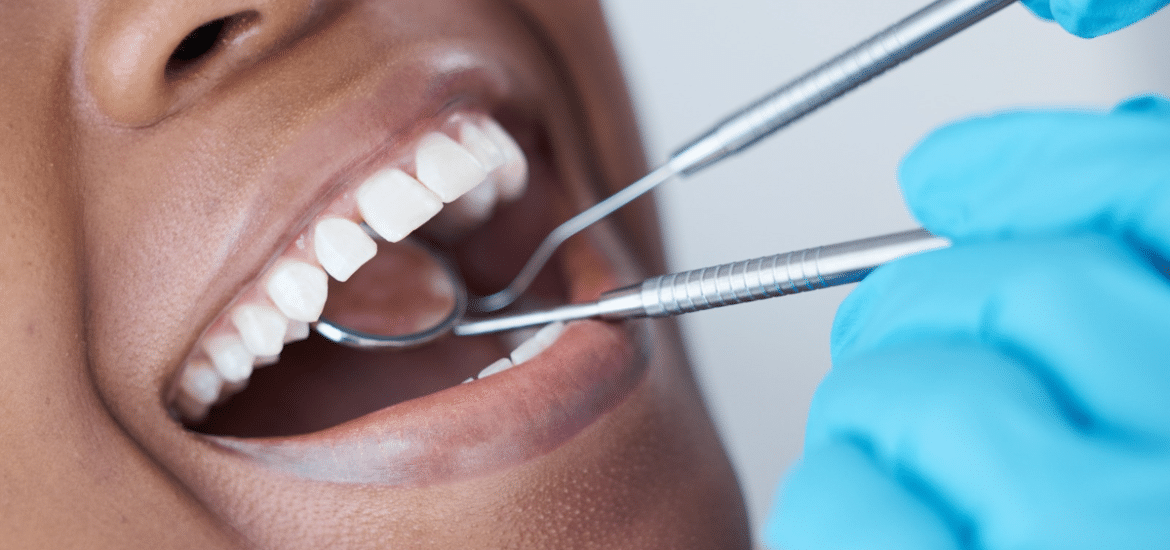
Life gets busy. Between work, family responsibilities, weekend plans, and everyday commitments, dental appointments can easily fall to the bottom of your to-do list. Perhaps you moved to Salt Lake City, lost track of your last checkup, or simply kept postponing your visit because nothing hurt.
But here’s something worth knowing: not every dental problem causes pain in its early stages.
Even if your teeth look fine and you aren’t experiencing discomfort, cavities, gum disease, and other oral health concerns can develop without obvious symptoms. According to the CDC, approximately 1 in 5 U.S. adults between ages 20 and 64 has at least one untreated cavity.
If it’s been several years since your last dental appointment, don’t panic or feel embarrassed. The important thing is understanding what may have changed and taking a practical first step toward protecting your smile.
1. Cavities May Have Developed Without You Noticing
One of the biggest misconceptions about dental health is that a cavity always causes a toothache.
In reality, tooth decay can develop gradually. You might not notice anything unusual until the affected area becomes larger or reaches deeper layers of the tooth.
Some possible warning signs include:
- Sensitivity to hot, cold, or sweet foods.
- Small brown, black, or white spots on your teeth.
- Discomfort when chewing.
- Food frequently getting stuck between certain teeth.
- A visible hole or rough area on a tooth.
If decay progresses without treatment, it may eventually require more extensive care, such as a dental crown or root canal.
A dental examination can help identify areas of concern before they become more complicated.
2. Your Gums May Be Showing Signs of Disease
Your gums play an important role in keeping your teeth stable and healthy. However, gum disease can develop gradually, sometimes without significant discomfort.
If you haven’t visited a dentist in years, pay attention to changes such as:
- Bleeding when brushing or flossing.
- Red, swollen, or tender gums.
- Persistent bad breath.
- Gums that appear to be pulling away from your teeth.
- Teeth that feel loose or have shifted.
Early gum inflammation, known as gingivitis, can often be managed with professional care and improved oral hygiene. More advanced periodontal disease may require additional treatment.
The sooner you have these symptoms evaluated, the better your chances of addressing the problem before further damage occurs.
3. Plaque and Tartar May Have Built Up
Brushing twice daily and flossing regularly are essential, but they cannot remove every bit of hardened buildup.
When plaque remains on your teeth, it can harden into tartar. Unlike ordinary plaque, tartar cannot be removed with a toothbrush.
Over time, buildup can contribute to gum irritation, bleeding, and periodontal problems.
A professional dental cleaning helps remove accumulated deposits from areas that are difficult to reach at home.
For people who haven’t had a cleaning in several years, the dentist or hygienist may recommend a more involved cleaning depending on the condition of their gums.
4. Old Fillings and Dental Work May Need Attention
Do you have fillings, crowns, or other dental restorations from previous years?
These treatments can last a long time, but they aren’t necessarily permanent. Restorations may eventually wear down, loosen, crack, or develop problems around their edges.
Watch for signs such as:
- A filling that feels rough or loose.
- Pain when biting down.
- Sensitivity around an old crown.
- Food getting trapped around a restored tooth.
- A chipped or damaged restoration.
A dentist can examine existing dental work and determine whether it needs monitoring, repair, or replacement.
5. You May Have Missed Important Oral Health Screenings
Regular dental appointments aren’t just about cleaning your teeth.
A comprehensive examination can also help identify concerns involving your gums, bite, jaw, and oral tissues.
For example, oral cancer screenings can help dentists look for unusual changes or suspicious areas inside the mouth. Early evaluation is important because some oral conditions may not cause noticeable discomfort.
If you use tobacco, drink alcohol frequently, or have other risk factors, discuss them openly with your dentist.
What Happens When You Finally Visit a Dentist After Years Away?
If you’re nervous about returning, knowing what to expect can make the experience much easier.
Your first appointment will generally begin with a conversation about your dental history, current concerns, and any symptoms you’ve noticed.
Depending on your needs, your dental team may recommend:
- Reviewing your dental history: Discuss previous treatments, medications, health conditions, and concerns.
- Examining your teeth and gums: Check for cavities, gum inflammation, damaged teeth, and other visible concerns.
- Taking dental X-rays if needed: Images can help identify problems that aren’t visible during a regular examination.
- Discussing treatment options: Your dentist will explain any findings and recommend appropriate next steps.
- Planning preventive care: Depending on your oral health, you may need a routine cleaning or additional periodontal treatment.
Remember, you don’t automatically need extensive treatment just because you’ve missed several appointments. Your actual dental needs can only be determined after an examination.
What Dental Problems Might Be Found After Years Without a Checkup?
| Possible concern | Warning signs | What your dentist may recommend |
|---|---|---|
| Tooth decay | Sensitivity, dark spots | Fluoride treatment or fillings, depending on severity |
| Gum disease | Bleeding or swollen gums | Professional cleaning or periodontal treatment |
| Tartar buildup | Yellowish or hardened deposits | Professional dental cleaning |
| Damaged fillings | Rough edges or discomfort | Filling repair or replacement |
| Cracked teeth | Pain when biting | Evaluation and possible restorative treatment |
| Oral tissue changes | Unusual sores or patches | Further examination or referral if needed |
Not everyone who misses dental visits will develop these problems. This table simply highlights some concerns a dental examination can help identify.
Don’t Let Dental Anxiety Keep You Away
For many people, the hardest part of visiting a dentist isn’t the examination itself. It’s making that first appointment.
You may worry about discomfort, unexpected treatment costs, or being judged for not taking care of your teeth sooner.
But you deserve professional care without feeling embarrassed about your dental history.
If you’re anxious, tell your dental team before the appointment. Ask questions, explain your concerns, and discuss comfort options that may be appropriate for you.
At The Sugar House Dentist, we welcome patients who want to take a fresh approach to their oral health. Our team provides personalized dental care for individuals and families throughout Sugar House and the greater Salt Lake City area.
Frequently Asked Questions
1. What happens if I haven’t visited a dentist in 5 years?
You may have developed cavities, tartar buildup, gum inflammation, or other dental concerns without noticing them. However, not everyone will have these problems. A comprehensive dental examination can help determine your current oral health.
2. Is it too late to visit a dentist after 10 years?
No. It’s never too late to seek dental care. Your dentist can evaluate your teeth and gums, identify existing problems, and recommend a treatment plan based on your needs.
3. Will a dentist judge me for not visiting for years?
A professional dental team should focus on helping you improve your oral health, not judging your past decisions. Be honest about how long it’s been and share any concerns you have.
4. Should I get a dental cleaning if I haven’t visited in years?
A professional cleaning may be recommended after your examination. If you have significant tartar buildup or signs of gum disease, your dentist may suggest a different type of cleaning based on your condition.
5. How often should I visit a dentist?
Many patients benefit from dental checkups every six months. However, the ideal schedule depends on your oral health, medical history, and risk factors. Your dentist can recommend an appropriate visit frequency.
Take the First Step Toward a Healthier Smile
Putting off dental appointments happens more often than you might think. But waiting for pain before seeking care isn’t always the best approach.
Whether you’re dealing with bleeding gums, tooth sensitivity, old dental work, or simply can’t remember your last checkup, getting your teeth examined is a sensible place to start.
At The Sugar House Dentist, Dr. Mackenzie Ann Feringa, DMD, and our dental team welcome patients seeking personalized dental care in Sugar House and the greater Salt Lake City area.
You don’t need to have perfect teeth before scheduling an appointment. You just need to take the first step.
Ready to get back on track with your dental health?
Call The Sugar House Dentist at 801-618-0197 to schedule your appointment.
Trusted Dental Health Resources
For additional information about cavities, preventive dental care, and oral health in the United States, explore these trusted resources:
This article is for educational purposes only and does not replace professional dental advice, diagnosis, or treatment.