
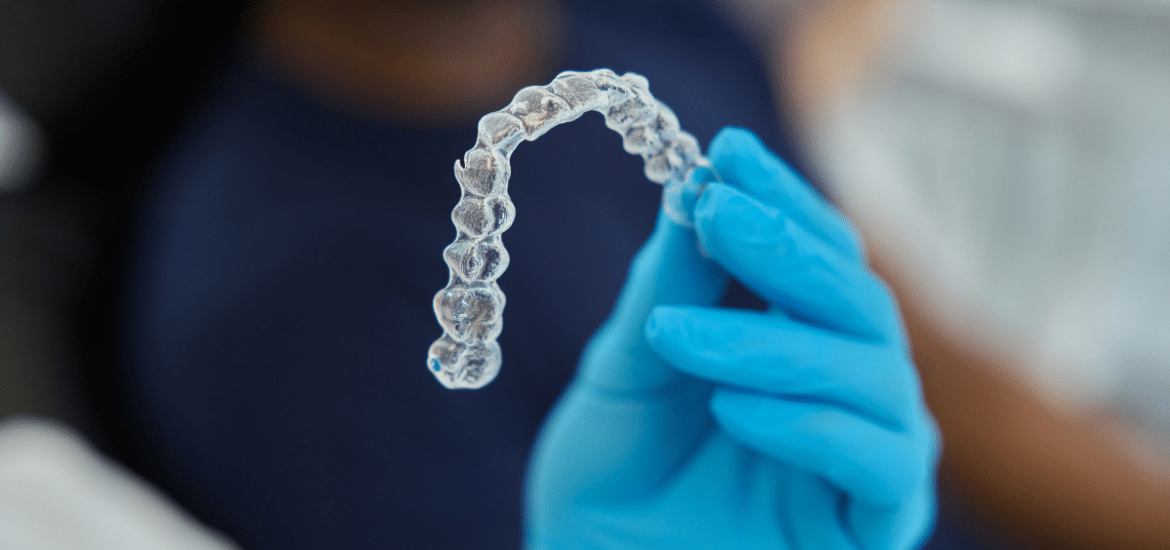
Thinking about straightening your teeth without traditional metal braces? Invisalign can be an appealing option because the clear aligners are discreet, removable, and designed to fit into your everyday routine. But there is one question many patients quietly wonder about: Can Invisalign fail?
The short answer is that treatment can fall off track when patients don’t follow their treatment plan consistently. The aligners themselves aren’t usually the problem. Everyday habits—like wearing them too little, skipping appointments, or not taking proper care of your teeth—can affect how well treatment progresses.
At The Sugar House Dentist, Dr. James Shoff helps patients understand what to expect before starting orthodontic treatment. If you’re considering Invisalign in Sugar House or elsewhere in Salt Lake City, knowing the common mistakes ahead of time can help you protect your investment and achieve the smile you’re working toward.
Can Invisalign Actually Fail?
When patients ask whether Invisalign can fail, they may be concerned about their teeth not moving correctly, treatment taking longer than expected, or their teeth shifting after treatment.
While every patient responds differently, clear aligner treatment works best when patients follow their dentist’s instructions. Your aligners are designed to move your teeth gradually according to a customized treatment plan. If you don’t wear them as directed or miss important follow-up visits, your actual progress may not match the original plan.
Here are five common mistakes that can derail treatment.
1. Not Wearing Your Aligners Consistently
This is one of the biggest issues.
Invisalign aligners generally need to be worn for most of the day and night, except when eating, drinking anything other than water, and brushing or flossing. Taking your aligners out frequently or leaving them out for long periods can reduce the amount of time your teeth are exposed to the planned orthodontic forces.
For example, taking your aligners out for an occasional special event isn’t necessarily a disaster. But repeatedly forgetting to put them back in can become a problem.
Simple tip: Make putting your aligners back in part of your routine. Keep your case with you, especially when you’re eating away from home.
2. Moving to the Next Aligner Too Soon
It can be tempting to move through your aligners quickly, especially when you’re excited to see your final results.
But your teeth need time to respond to each stage of treatment. Switching aligners earlier than instructed doesn’t necessarily speed things up. Instead, it may prevent your teeth from tracking properly.
Your dentist may recommend a specific schedule based on your treatment plan. Follow that schedule rather than deciding on your own when to move to the next tray.
Your Aligners Are a Step-by-Step Process
| Stage | What You Should Do |
|---|---|
| Receive your aligners | Make sure each tray is labeled correctly |
| Begin a new tray | Follow your dentist’s instructions |
| During treatment | Wear aligners consistently |
| Follow-up visits | Attend scheduled appointments |
| If something feels wrong | Contact your dental office |
3. Skipping Follow-Up Appointments
You might think that because Invisalign is removable, you don’t need regular dental visits.
That’s a mistake.
Follow-up appointments allow your dentist to evaluate how your teeth are responding and determine whether treatment is progressing as expected. Your treatment plan may need adjustments if certain teeth aren’t moving as anticipated.
Skipping appointments can make it harder to identify problems early.
For patients around Sugar House, keeping appointments convenient can make a major difference. If you’re balancing work, school, family, or life around Salt Lake City, try scheduling your follow-ups in advance so they don’t get pushed aside.
4. Neglecting Your Oral Hygiene
Straightening your teeth doesn’t replace the need for good dental hygiene. In fact, cleaning your teeth becomes especially important while wearing clear aligners.
Food particles and bacteria trapped against your teeth can contribute to plaque buildup. Wearing aligners over poorly cleaned teeth can create an environment that isn’t good for your oral health.
Before putting your aligners back in:
- Brush your teeth regularly.
- Floss every day.
- Clean your aligners according to your dentist’s instructions.
- Avoid putting food or sugary drinks inside your aligners.
- Keep your aligner case clean.
Remember, the goal isn’t simply straight teeth. It’s a healthy smile, too.
5. Assuming Your Treatment Is Finished When Your Teeth Look Straight
This is one of the mistakes patients sometimes make after seeing their smile improve.
Even when your teeth look beautifully aligned, your treatment isn’t necessarily complete. Retention is an important part of maintaining your results because teeth can shift over time.
Your dentist may recommend wearing retainers after your active treatment. How often you need to wear them can depend on your individual situation.
Think of it this way:
Active treatment moves your teeth. Retainers help maintain their new positions.
Ignoring your retainer instructions can increase the likelihood of unwanted tooth movement.
How to Know If Your Invisalign Treatment Is Off Track
Contact your dental office if you notice:
- An aligner no longer fits properly.
- A tray won’t seat fully over your teeth.
- Your teeth aren’t tracking as expected.
- An attachment becomes loose or falls off.
- You’re experiencing unusual or persistent discomfort.
- You’ve lost an aligner.
- You’ve fallen significantly behind your prescribed wear schedule.
Don’t simply push through a problem because you hope it will correct itself. Getting professional advice early may help prevent a small issue from becoming a larger one.
Invisalign vs. Traditional Braces: What Should You Consider?
Both options can effectively straighten teeth for appropriate patients. The better choice depends on your dental needs, lifestyle, treatment goals, and ability to follow the treatment plan.
| Feature | Invisalign | Traditional Braces |
|---|---|---|
| Appearance | Clear and discreet | Visible brackets and wires |
| Removable | Yes | No |
| Eating | Aligners removed | Dietary restrictions may apply |
| Hygiene | Remove aligners to brush | Requires cleaning around brackets |
| Discipline required | High | Lower for wear compliance |
| Follow-up care | Regular visits | Regular visits |
One important point: Invisalign isn’t automatically the easier option simply because the aligners are removable. That flexibility also means patients have to take responsibility for wearing them consistently.
So, Can Invisalign Fail?
Yes, treatment can fall behind or produce less-than-expected results when patients don’t follow their treatment plan. However, asking “Can Invisalign fail?” shouldn’t scare you away from treatment.
Instead, use the question as a reason to become an informed patient.
Consistent wear, good oral hygiene, keeping appointments, following your aligner schedule, and wearing retainers as instructed can all help support successful treatment.
If you’re considering Invisalign in Salt Lake City, a consultation can help determine whether clear aligners are appropriate for your smile and what you can realistically expect from treatment.
Frequently Asked Questions
1. Can Invisalign fail if I don’t wear my aligners enough?
Not wearing your aligners as instructed can interfere with tooth movement and may extend treatment. If you’re consistently struggling with wear time, talk with your dentist.
2. What happens if I lose an Invisalign aligner?
Contact your dental office rather than simply moving to the next tray. Your dentist can advise you on the appropriate next step based on your treatment plan.
3. Can teeth move back after Invisalign?
Yes. Teeth can shift after orthodontic treatment, which is why wearing retainers as directed is an important part of maintaining your results.
4. How do I know if my aligners aren’t tracking correctly?
Signs can include an aligner that doesn’t fit properly, visible gaps between the aligner and teeth, or teeth that don’t appear to be following the planned movement. Contact your dentist if you’re concerned.
5. Is Invisalign right for everyone?
No. Invisalign can be an effective option for many patients, but suitability depends on factors such as your alignment, bite, oral health, and treatment goals. A dental evaluation is the best way to determine whether it’s appropriate for you.
Ready to Straighten Your Smile?
If you’re worried about making the wrong choice or wondering whether clear aligners can work for your smile, you don’t have to figure it out alone.
At The Sugar House Dentist, Dr. James Shoff can evaluate your smile, discuss your goals, and explain your treatment options. For patients in Sugar House and throughout Salt Lake City, personalized guidance can make the decision much easier.
Call The Sugar House Dentist at +1 801-618-0197 to schedule a consultation.