
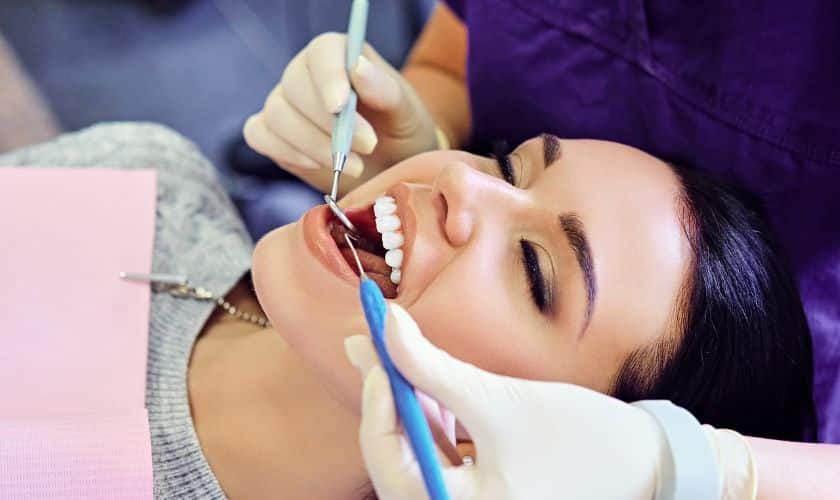
Are you one of the millions of people who experience dental anxiety? The mere thought of going to the dentist can cause fear and panic, making it difficult to schedule appointments or even seek necessary treatments. But what if there was a way to overcome this anxiety and make your dental visits more comfortable? That’s where sedation dentistry comes in. Say goodbye to dental anxiety and hello to a stress-free visit with sedation dentistry!
What Is Dental Anxiety?
Dental anxiety is a common issue that affects millions of people worldwide. It’s characterized by fear or nervousness when it comes to dental procedures, and can range from mild discomfort to severe panic attacks. For some individuals, the sound of dental tools or the sight of needles can be enough to trigger this response.
Dental anxiety often stems from negative past experiences, such as painful procedures or feeling uncomfortable in the dentist’s chair. Other factors such as a lack of control during treatment, embarrassment about oral health issues, or simply fearing the unknown can contribute to this anxiety.
Recognizing that you have dental anxiety is an important first step towards overcoming it. There are many techniques and treatments available today, including sedation dentistry, which we will discuss further in this blog post. With proper management and care from your dentist, there is no reason why anyone should let their fears prevent them from maintaining good oral hygiene and seeking necessary treatments.
How Sedation Dentistry Works
Sedation dentistry involves the use of medication to help patients relax during dental procedures. There are different levels of sedation, including minimal sedation, moderate sedation, deep sedation and general anesthesia. The type of sedative used depends on the patient’s needs and the complexity of the procedure.
Minimal sedation is achieved through inhaling nitrous oxide or taking a pill before the procedure. This level of sedation allows patients to remain awake but feel relaxed throughout their appointment. Moderate sedation may also involve oral medication or an IV line for more profound relaxation.
Sedatives work by affecting chemicals in your brain that cause anxiety and fear so you’ll have less feelings about pain/discomfort associated with going under treatment/procedure- making everything go smoothly for both dentist & patient!
How Sedation Dentistry Can Help Overcome Dental Anxiety
If you’re one of the many people who experience dental anxiety, sedation dentistry can help alleviate your fears and make your appointment much more comfortable. With sedation dentistry, patients are given medication to relax or even fall asleep during their procedure.
The level of sedation provided will depend on each patient’s individual needs and the complexity of the procedure. Even those with severe dental anxiety can benefit from this type of treatment.
Sedation dentistry not only helps to ease fear and anxiety but it also reduces pain perception during procedures. Patients often report feeling like they were in a dream-like state or that time passed very quickly.
If you have dental anxiety and avoid going to the dentist because of it, consider speaking with your dentist about how sedation dentistry can help make your next visit a more pleasant experience.
Tips For Coping With Dental Anxiety Before Your Appointment
If you experience dental anxiety, it’s essential to take steps to manage your fears before your appointment. Here are some tips that can help:
1. Communicate with Your Dentist: Letting your dentist know about your anxiety can be helpful. They may be able to offer calming techniques or make accommodations for you during the visit.
2. Mindfulness and Relaxation Techniques: Try practicing mindfulness or relaxation techniques such as deep breathing exercises, meditation, or yoga before your appointment.
3. Bring a Distraction: Bringing a distraction like music, an audiobook, or a stress ball can help take your mind off of the procedure and ease any tension.
4. Plan Ahead of Time: Make sure to plan ahead of time by scheduling early morning appointments when you’re less likely to feel anxious due to anticipation.
5. Consider Sedation Dentistry: If other methods don’t work for you, consider sedation dentistry which uses medication that relaxes patients during their procedures.
By taking these simple steps before your appointment, you’ll be better equipped to cope with dental anxiety and have a more pleasant experience at the dentist’s office!
The Bottom Line
Dental anxiety is a common problem that can prevent people from seeking the appropriate dental care they need. Sedation dentistry has emerged as an effective solution for patients who suffer from dental phobia or anxiety.
Hopefully, after reading this article, you now have a better understanding of how sedation dentistry works and how it can help alleviate your concerns about going to the dentist. Don’t let fear keep you from taking care of your oral health – talk with a trusted dentist today about whether sedation options might be right for you!